Shangrila, Yunnan, China

Shangrila, Yunnan, China
Perrin, Oona and Otis do the dishes at 12,400 ft in the rain with Kevin

Tuesday, June 18, 2013

White


BY PERRIN

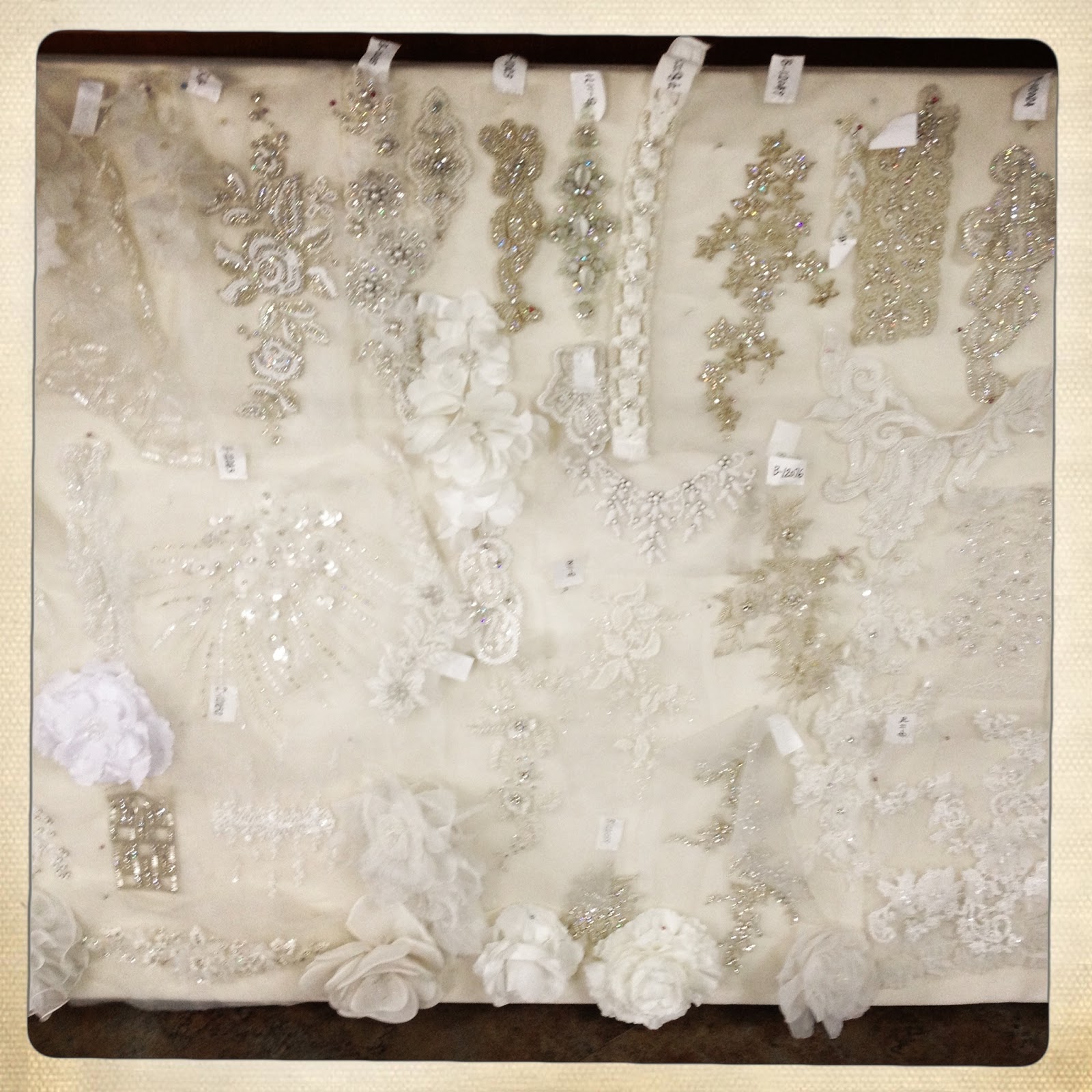
When we left Taiwan, we wanted to take a trip with our Taiwanese friends, Frank, Jennifer, Julian (4), and Ning Ning (1) to say goodbye.  We first visited Jinmen, an island that is part of Taiwan but is right off the coast of China.  Then we went to Xiamen, which is a city on the south coast of China about 20 miles away from Jinmen.  Jennifer's dad owns a wedding dress factory in Xiamen and he and his associates gave us a tour.


First we explored the cloth storage room where hundreds of bolts of cloth were stacked on the floor and all the way up to the ceiling.  There is one person who examines each and every bolt of cloth for holes and flaws and if they find one, they put a sticker on it so it doesn't end up in the dresses.  The first floor is where the skirts of the dresses are made.  There were people cutting, sewing, pinning, unpinning, lacing, and folding the cloth that would result in beautiful dresses.  


One thing that shocked me about the factory is that EVERYTHING was WHITE.  The room was white, the cloth was white, the lace was white, the sewing machines were white, and everything not white was covered in something that was.


Pleating

Taking out pins

The second floor was where the bodices are made and sewed onto the skirts.  Jennifer's dad told us that pleating (making lots of little folds) is one of the hardest things to do while the task of taking out pins is the least difficult.  This room looked similar to the room below except the work was more detailed and looked more like a dress than just white cloth.  People were fitting the dresses to cloth mannequins, which were sized from 1 - 32.  The largest mannequins are called "big mamas."  Jennifer explained that most of the "big mamas" are for Americans but the factory sells the most dresses in Spain.

"Big Mama"

The third floor was for beading and the finishing touches, but the designers worked there too.  The factory has 1,000 different designs of dresses each made with different cloth, shapes, beads, and sizes.  They also make custom dresses designed to fit individual people.  


Carly and I got to try a few on and it was really funny because they didn't fit very well.  I liked the longer dresses while Carly's favorite dress was a medium length and the skirt was made up of enormous, spirally flowers.


Giving the mandatory "V" signs


That night we had a great time with Jennifer's family and her dad's business partners singing, dancing, playing an accordion and being silly at a delicious dinner before practically sleep walking to bed.  I had learned a lot of random facts and interesting information about wedding dresses, cloth, lace, and design and was ready to go to sleep.  It had been a long day of traveling and wedding dresses.


Thursday, June 13, 2013

The Toilet Stalls of Death


BY CARLY

The tiny mini-bus had stopped at the bathroom stop but, as usual, it was bouncing up and down because when the bus was in neutral, the engine didn't appreciate it.  I stepped out of the bus with some toilet paper expecting the typical Chinese bathroom: no toilet paper, squat toilets and some stalls on which the lock is usually broken.  I stepped around the wall and a horrid smell filled my nostrils.  I looked at my feet.  There were many spots of who knows what.  As my eyes met the row of toilets I spotted the lady that had been sitting next to me on the bus pulling up her pink lacy underpants.  The foot positioning was tricky and she was trying to avoid getting her pants into the muck.  I walked carefully over to one of the toilets that was a slanted ditch with a 3-foot wall separating it from the other ditches.  This is gross, I thought.

After going to the bathroom and fleeing from it, I crossed the road and hopped back on the bus.  I asked my Mom for a wet wipe because do you expect a bathroom like that to have a sink?  I sat back down, grabbed my Kindle and started to read.

Monday, June 10, 2013

Jinmen Knife Factory

Maestro Wu is in the back with the blue shirt

BY CARLY

I tried to cover Julian's eyes again but he shoved my hands away.  We were in a knife factory watching a knife being made.  At the moment we were watching the knife being zapped with a long tool that shoots sparks out of the end and apparently that could make you blind if you look at it too long.  That's why I wanted to cover Julian's eyes, "If you look at that too long you will be like this, 'Ohhh what is this? What is this...????'"  I said the best I could in the jumbled assortment of Chinese words I knew.  We watched as the knife maker, Maestro Wu, put the knife into the oven full of hot, red coals, flattened the blade in a pounding machine, and finally it looked like a knife with a pointy metal stick that, later, they would put the handle onto.  I thought the knife was interesting but I would have rather have been browsing around the shop than watching the knife actually being made.

The finished knife without a handle

The cool thing about the knife making, though, is that they are made of mortar shells.  The knife business has been going for three generations.  In 1937, Wu Chao-Hsi inherited his Dad's knife business.  Later he became known as "Maestro Wu," by carrying his forging furnace on his shoulder around the towns of the small, Taiwanese island of Jinmen, near China's coast.  There was not enough steel, so he decided to take the left over bombshells from the Chinese and Taiwanese conflict and use them instead.  Over one million bombshells were left on the island after the conflict and the Chinese kept bombing Jinmen all the way until 1978.  Fun Fact: You can choose your own bombshell from either inside the shop or bring one in and have him make a knife out of it.

The bombshells

We exited the workroom and entered the shop.  I was kind of relieved to leave the workroom because finally there weren't banging and sizzling noises surrounding us.  There were tons of knives.  There were long sword-like knives, there were tiny pocketknives, and there were thin knives.  There was one knife in particular that most of us liked because it had a fat, oval blade and it was incredibly beautiful.  We all inspected the interesting knives until it was time to go to the ferry.

More bombshe

We had just backed out of the parking lot when my Dad started obsessing over a knife that he had wanted.  "Then go back and buy it!" my Mom said.  "Nah, it's ok," said my Dad.  I could almost feel my Mom rolling her eyes.  I chuckled in the back seat as we drove up onto the highway.

Thursday, June 6, 2013

Puppets In The Rice Fields


BY PERRIN


Vietnam has many rice fields.  Actually, the majority of the Vietnamese are farmers.  All day they harvest or plant or tend their fields under the hot Vietnam sun with their conical bamboo hats and towels wrapping every piece of exposed skin.  But they are people, and people like to have fun.  They must have had some kind of entertainment while working in the rice fields... So what was it?  They invented water puppets!  Water puppets are wooden figures about a foot tall that have movable joints controlled by strings.  They are made out of the lightweight wood from a jackfruit tree so they float and then are lacquered with bright colors so they are waterproof.


We went to a tiny village in Vietnam to see a water puppet show and we loved it!  Instead of doing the show in the rice fields like they did in the 11th century, the puppets were performed in a big, rectangular, concrete, manmade pond in the middle of the village.  The water was far from clean and there was a big structure that looked like an ornate temple on stilts in the middle of the pool.  We watched as the show started with the music and voice accompaniment coming from a shaded area to our right.  The voices were high pitched and screechy and the instruments were all traditional Vietnamese instruments including drums.  There was also a man narrating the play but we couldn't understand him because he was speaking Vietnamese.


The puppets started appearing from behind the cloth hanging in front of the temple structure.  They paraded in the water around the front of the pond.  After the parade, two puppets came out and started fighting with each other and then some water buffaloes fought too.  The whole scene looked incredibly real and the people controlling the puppets were all the way behind the screen!  I can't imagine being able to do that.  The other scenes were of traditional fishing techniques and an intriguing scene of frog fishing.  The puppeteers made a puppet holding a fishing pole hook the line onto a frog puppet.  It was incredible how they maneuvered the puppets while the puppeteers were more than 2 meters away!

Our tour guide, Diep, translating the explanation of the water puppets.

When the show ended after about 30 minutes, we were invited to go back to where the people controlling the puppets were.  Putting on puppet shows wasn't their job but they did it for fun.  Most of them were farmers.  When we went behind the screen and structure, we saw that the men were up to their chests in water.  Two of them were on a platform not in the water so they could hand the puppets to the people in the water.  The puppets were on long sticks and had strings to control them but lots of them require several people to make them work.  All of the farmers have had years of practice to learn how to work the puppets and sometimes even carve them.  When we had to leave, we said, "Gam un," which is thank you in Vietnamese.  I loved the show and learning about this incredible Vietnamese tradition.  It is amazing that it has survived for 1,000 years and I hope the tradition isn't forgotten in the future!